For institutional investors
Dragonfly Investing
Cognitive infrastructure for institutional investors. Multi-lens analysis for committees making high-stakes decisions under genuine uncertainty — decision-supporting, never decision-making.
Every analytical framework has blind spots.
Investment decisions under uncertainty suffer from a fundamental limitation: every analytical framework has blind spots. Point-forecast models miss discontinuities. Risk models underweight tail events. And investment committees, despite excellent intentions, are vulnerable to groupthink and the social costs of dissent.
Built to operationalise the Total Portfolio Approach.
Most investment processes still reason asset class by asset class. The Total Portfolio Approach breaks those silos — evaluating the whole portfolio against shared objectives and plausible futures. It is the model Sue Brake helped pioneer at NZ Super and as Chief Investment Officer of Australia's Future Fund.
Dragonfly Investing gives committees the cognitive infrastructure to run it: multi-lens analysis that surfaces hidden correlations, stress-tests positioning across scenarios, and keeps every claim traceable.
The evidence is real. NZ Super has been among the best-performing sovereign funds in the world over the past two decades, and the Thinking Ahead Institute estimates that a Total Portfolio Approach combined with strong governance lifts long-term performance by roughly 1.0–1.5% a year — a decisive margin at institutional scale.
Three capabilities.
01
Portfolio Robustness
Stress-tests portfolio positioning across multiple plausible scenarios, maps how drivers interact, and identifies feedback loops and tipping points. Positions are categorised by cross-scenario robustness — Robust, Opportunistic, Protective, Vulnerable — each paired with measurable signpost indicators. The output is an IC-ready paper and an interactive dashboard.
Worked example — Investment Systems Mapping
Strategic Portfolio Analysis
70/30 Australian Pension Portfolio — 5–7 Year Horizon
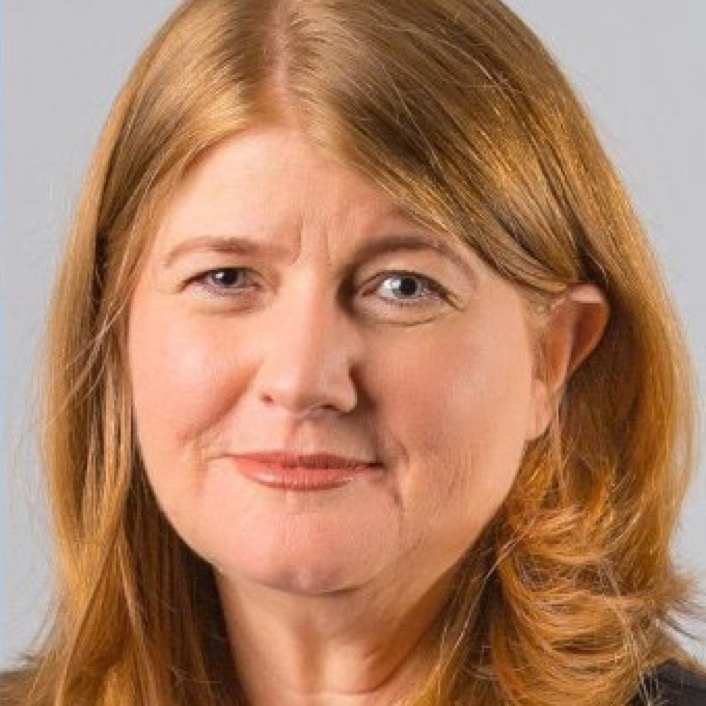
Engagement lead
Sue Brake
Chair & Investment Vertical Lead
The question
What are the critical uncertainties affecting our portfolio's core exposures, and how should we position the portfolio to perform robustly across multiple plausible futures?
Macro drivers scanned
26
Political, economic, social, technological, legal, environmental
Causal connections mapped
62
How drivers reinforce, constrain, and cascade into each other
Scenario futures built
4
Divergent worlds stress-tested against the portfolio
Committee-ready paper
1
Recommendations, signposts, and no-regret moves
02
Independent Direct Asset Assessment
Systematic independent challenge of a specific direct-asset proposal: external forces → company profile → risk-reward-resilience verdict, with comparable base rates and a prospective-hindsight premortem. The presenting party provides advocacy; this provides scepticism — serving the Investment Committee, not the deal team.
03
Belief Navigator
Makes investment beliefs explicit and testable: a library of 30 canonical beliefs across a database of 30+ global asset owners. Surfaces where a proposal aligns or conflicts with the fund's stated beliefs.
How it's different.
Robustness beats optimisation.
Glass box: every analytical claim traces back to its source.
Findings, not recommendations — the decision stays human.
AI challenges assumptions without hierarchy, career risk, or interpersonal dynamics.
Who it's for, and who leads it.
Sovereign wealth funds, public pension and superannuation funds, and long-horizon asset owners. The Total Portfolio Approach provides the organisational model; Dragonfly Investing provides the cognitive infrastructure that helps make it operationally achievable.
Dragonfly Investing is led by Sue Brake, working with the principals who built the Dragonfly methodology.
Sue Brake
Chair & Investment Vertical Lead
Former Chief Investment Officer of Australia’s A$300 billion Future Fund. One of the pioneering practitioners of the Total Portfolio Approach and architect of TPA at NZ Super. Now a trustee director at Aware Super.
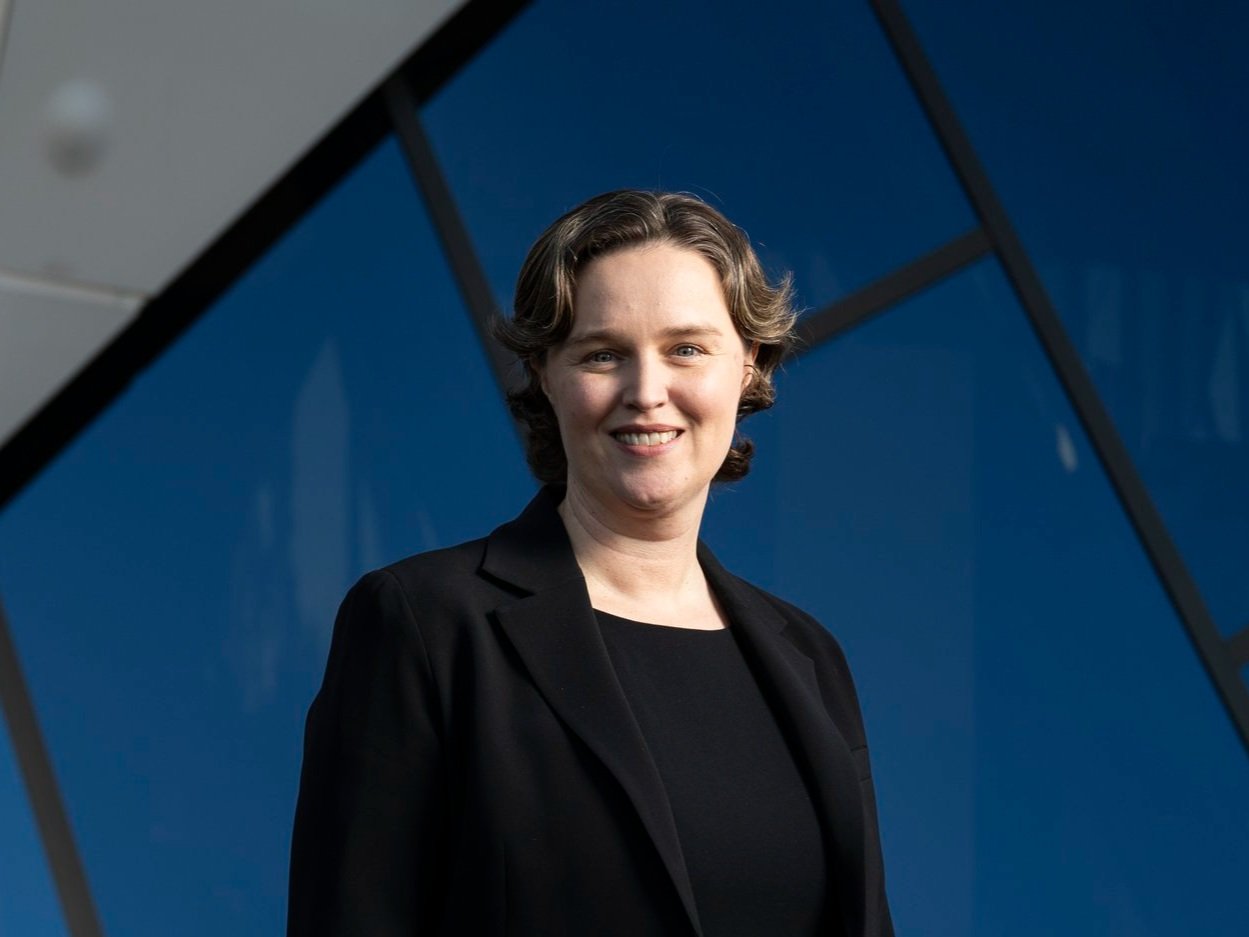
Anthea Roberts
Founder, Director & CEO
Professor of international law and global governance. Author of Six Faces of Globalization (FT and Fortune Best Book, 2021). League of Scholars’ world’s leading international law scholar (2019). Taught at ANU, Harvard, Columbia, and LSE.
I happen to believe everyone should learn it if you want edge in your organisation because that combination is mind-blowing, taking subject matter expertise and deep expertise on AI.
i3 Invest · December 2025
The Decision Factory: How Human and AI Teams will Manufacture the Next Generation of Investment Returns
Sue Brake writes for i3 on using AI to augment investment decision-making rather than treating it as a simple productivity tool.
CFA Institute Research & Policy Center · May 2026
Conversations with Frank Fabozzi, CFA, featuring Sue Brake
Sue Brake in conversation with Frank Fabozzi for the CFA Institute Research & Policy Center’s conversation series.
Thinking Ahead Institute · April 2026
Charting AI in the Investment Industry with Dragonfly Thinking
A fireside chat with Sue Brake and Roger Urwin on agentic AI, systems thinking, and using belief agents to surface disagreement inside investment committees.